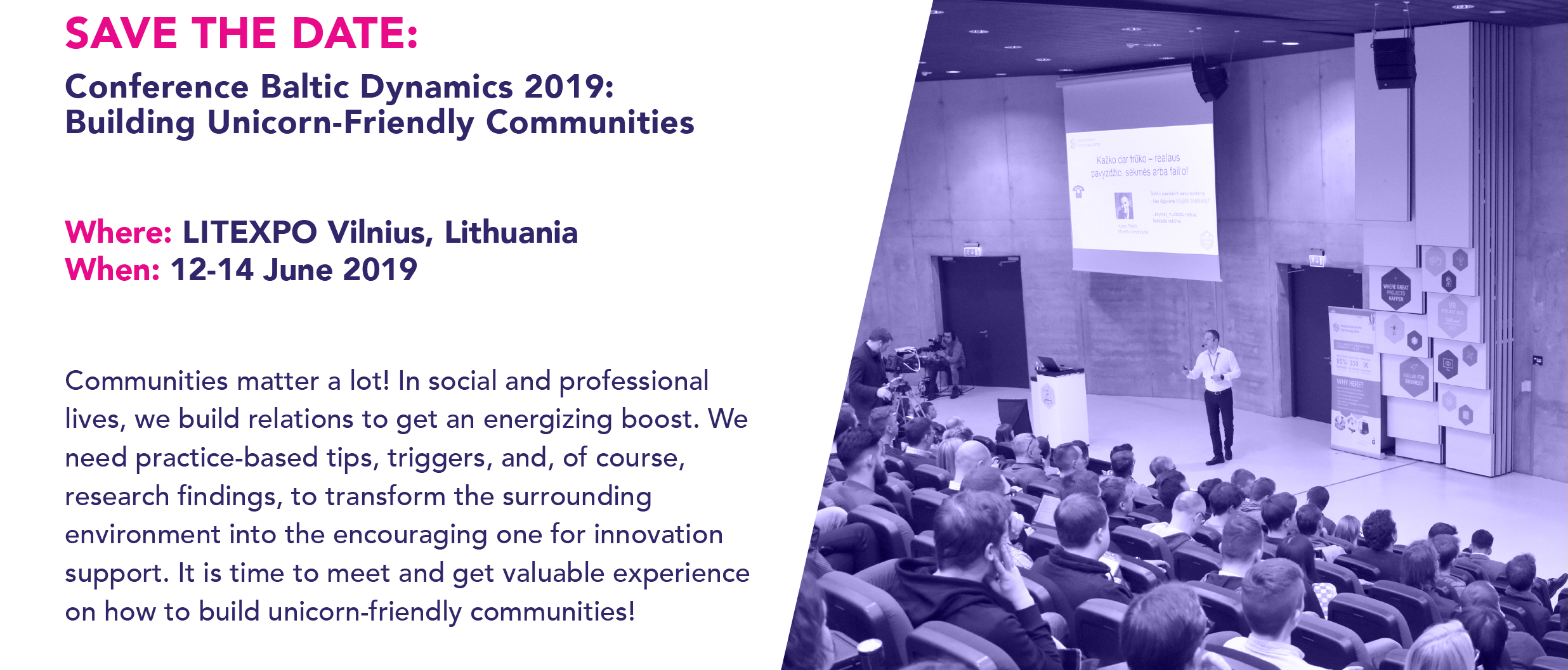
12-14 June
Vilnius, Lithuania
|
Moderator |
|
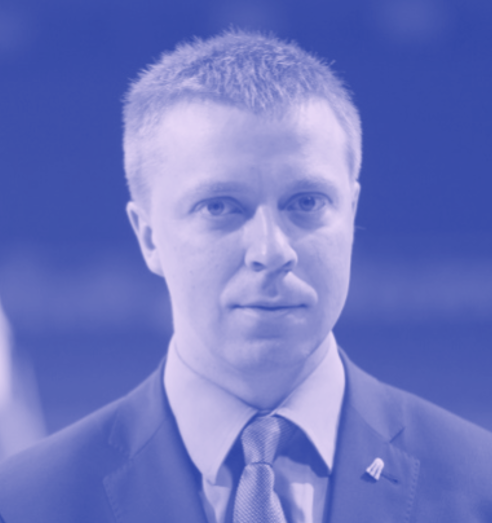
Journalist, social activist Andrius Tapinas |
|
|
A Big Team Leap with Small Resources |
|
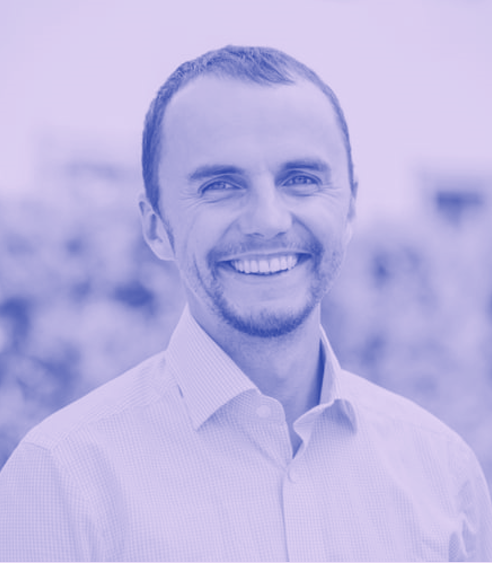
Paulius Motiejunas |
|
|
Science Behind Creative Mind and Effective Brains |
|
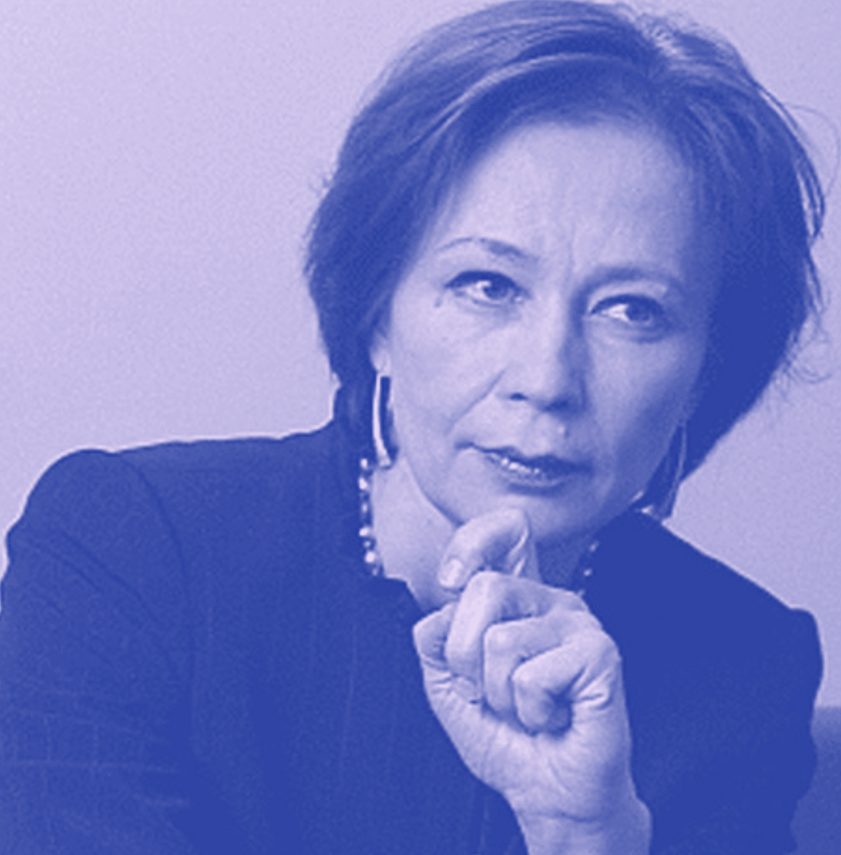
Neuroscientist Dr Urtė Neniškytė |
|
|
Success Story of The Alchemist Accelerator, the US |
|
CEO at Nando Europe Kaunas STP alumni Justinas Taruška |
|
|
Workshops with Business Accelerators |
|
Aleksander Tõnnisson Hardware Community that Has Spread the News |
|
|
Internationalisation as a Key to the fast Scaling. The Case of Building the Bridge between CEE and Silicon Valley |
|
Boguslawa Cimoszko Skowronski |
|
|
The Berlin Startup and Entrepreneurship Community – Beyond Unicorns |
|
Digitalisation and Innovation Expert Daniel Jach |
|
|
Designing the Best Programme for Innovation Communities |
|
B2B SaaS and Fintech Business Accelerator |
|
|
Innovation Communities Visualised |
|
Žilvinas Mažeikis |
|
► Good Practices |
|||
►►►Promising Unicorns |
|||
► Tools for Defining Unicorn-friendliness |
|||
► Innovation Exhibition by Vilnius Innovation Forum at Innovation Drift |
|||
|
|
|
||
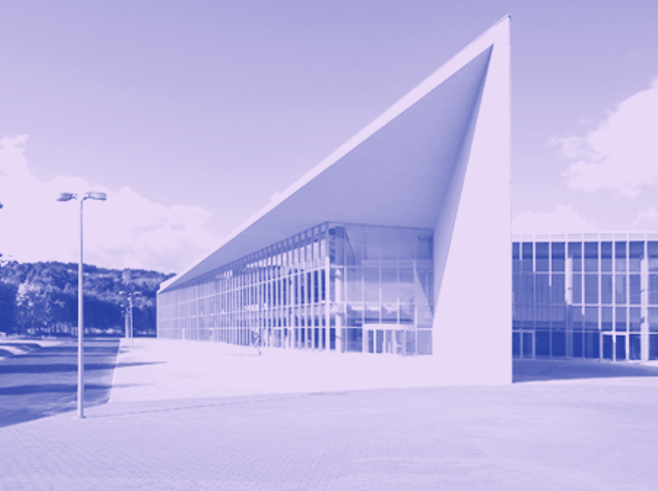
CONFERENCE VENUEVilnius, Lithuania
|
 |
|
|
|
◄◄◄ WELCOME COCTAIL
|
|
|
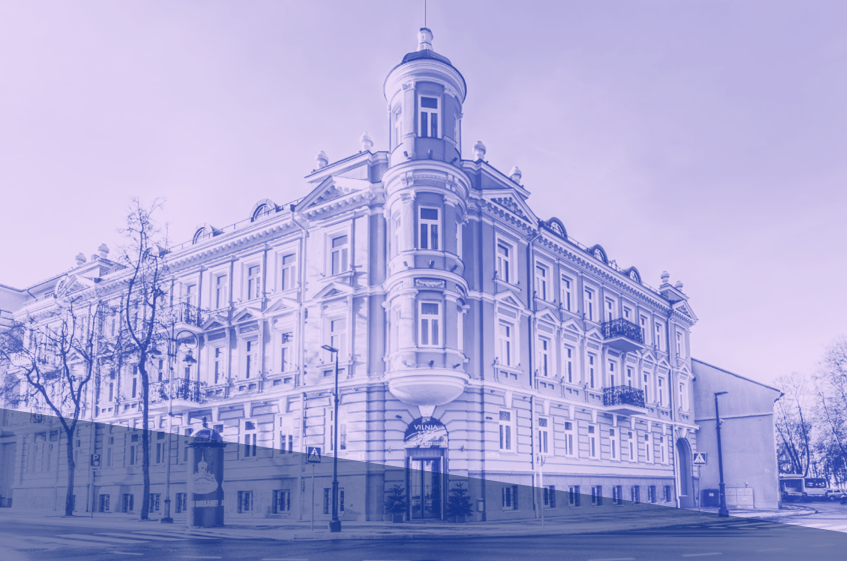
◄◄◄ HOTEL TO STAY
|
The idea of the conference came from the collaboration between partnering institutions in the Baltics region. It originated as an initiative from the Baltic Association of Science/Technology Parks and Innovation Centres - BASTIC - and has been held annually since its inception in 1996. The conference venue has been rotated within the Baltic States - Estonia, Latvia, and Lithuania. In previous years, partners from Sweden and Germany have joined the organizational board of Baltic Dynamics. Kaunas Science and Technology Park is responsible for organizing the 24th conference this year in Lithuania.